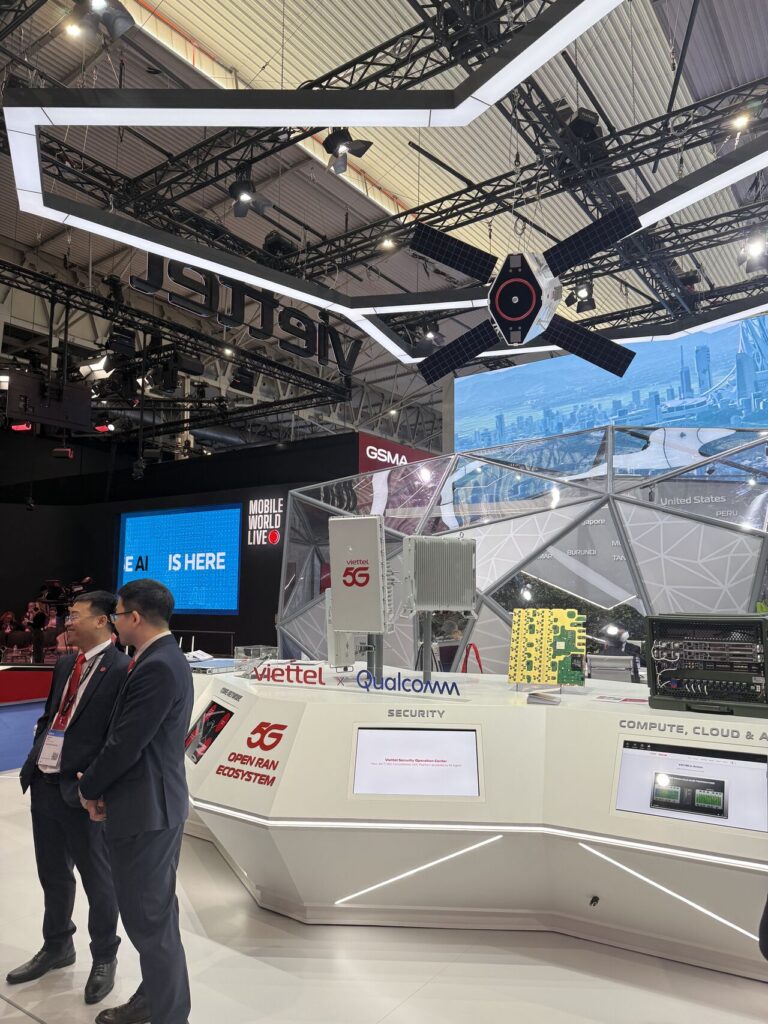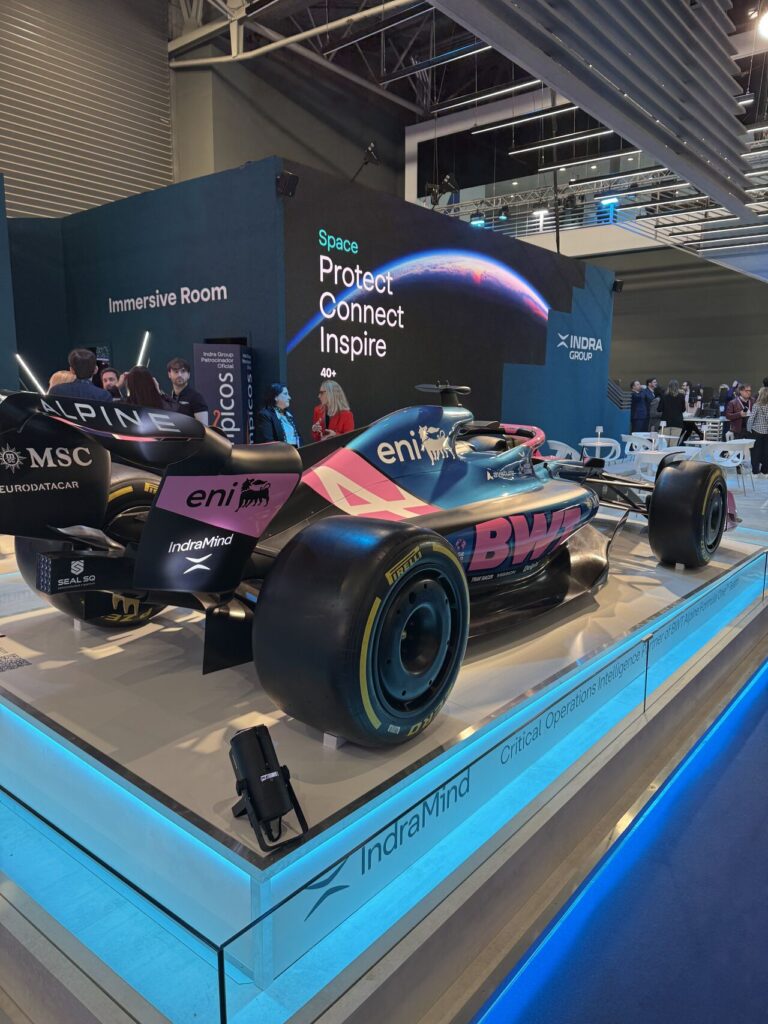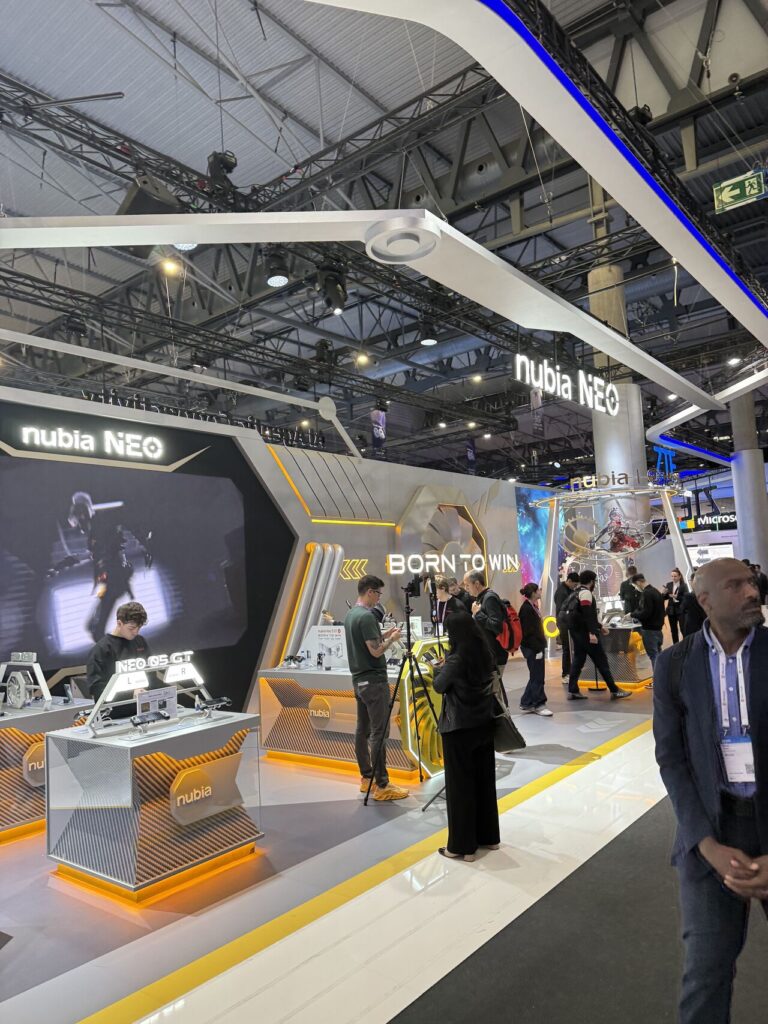
We wrapped up another edition of Mobile World Congress Barcelona 2026, one of the most important gatherings for the global technology and telecommunications industry. For Vívaro, this participation represented a strategic opportunity to experience firsthand the latest trends in artificial intelligence, connectivity, digital infrastructure, and emerging service models.
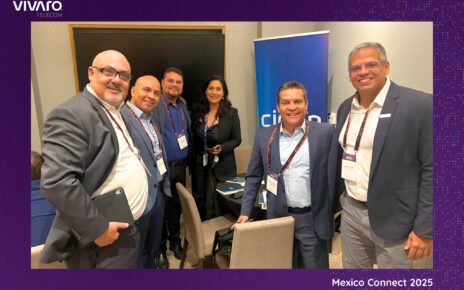
Representing our organization were Gustavo Mario de la Garza Flores, our CEO, along with Isaías Alegría, Director of Vívaro Telecom, and Lino Corlay, Director of Marketing.
Throughout the event, the team had the opportunity to exchange ideas with specialists, partners, and industry leaders, strengthening key relationships and exploring new collaboration opportunities. The conversations held and the solutions presented during the congress provided us with a broader and more precise perspective on the direction technology will take in the coming years.
During the week, we actively participated in the various MWC sessions and exhibitions, exploring technologies that will allow us to take our network to the next level. This year’s focus was clear: advancing toward greater infrastructure capacity and resilience, promoting more efficient and automated architectures, and enabling new value-added services for our customers.
One of the most relevant takeaways from this edition was seeing how artificial intelligence has moved beyond being a conceptual topic to becoming a practical tool in real network operations. The applications presented showcased concrete progress in areas such as dynamic traffic optimization across IP and optical networks, automation of network operations centers through predictive analytics, operational cost reduction through AI-assisted models, and the development of enterprise services based on advanced analytics.
These developments confirm that artificial intelligence is no longer a future promise. It is now beginning to integrate directly into capacity planning, operational management, and customer experience. In an increasingly competitive telecommunications environment, the difference will lie in who can successfully combine robust infrastructure with operational intelligence capable of learning, adapting, and anticipating.
We return with valuable insights, renewed perspectives, and a stronger focus on driving solutions that support the market’s evolution. We continue building infrastructure designed for large-scale capacity—now also prepared to evolve at the same pace as technology itself.
With this, we reaffirm our commitment to continue connecting, collaborating, and building the future of telecommunications.